

Why we don't use standard cotton
Most cotton feels the same. It starts soft, washes flat, and after enough cycles, begins to feel like the thing it was trying not to be — disposable. The fabric does its job without doing anything more. For a basic tee at a certain price point, that's probably fine. For a piece designed to be worn often and kept for years, it isn't.
Cotton slub is a different material, even though it's still cotton. The difference is in how the yarn is made — and understanding that difference explains a lot about why Wilt pieces wear the way they do.
What cotton slub actually is
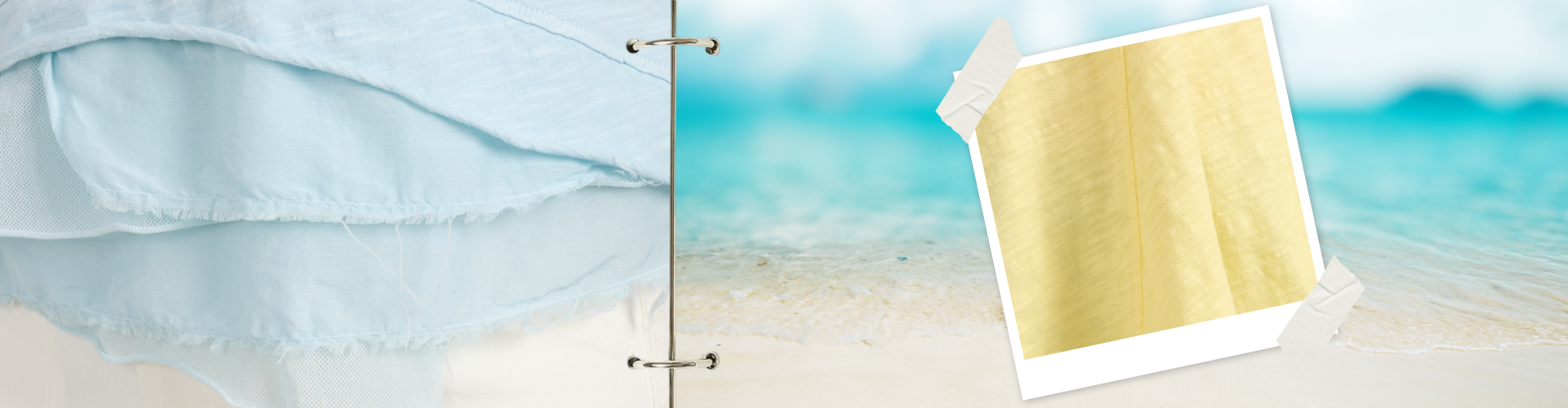
Standard cotton yarn is spun to be as uniform as possible — consistent thickness, consistent weight, consistent texture across the entire length. Slub yarn is intentionally irregular. The spinning process introduces variations in thickness at intervals, creating a yarn that has thin sections and slightly thicker ones. When woven or knit into fabric, those variations produce a surface texture that catches the light unevenly, giving the cloth a natural, organic quality that uniform cotton doesn't have.
This isn't a finish applied to the surface. It's in the yarn's structure, which means it doesn't wash out or wear away. The texture you feel on the first wear is the same texture you'll feel two years later — often more pronounced, because the fabric softens with washing without losing its character.
Cotton slub is sometimes called slub jersey, slub knit, or textured cotton. All refer to the same principle: yarn spun with intentional variation to create a fabric with natural surface texture.
Why garment dyeing matters
Wilt's slub cotton is garment-dyed, meaning the finished piece goes into the dye bath rather than the yarn or fabric beforehand. This is a more time-intensive process, but it produces results that piece dyeing and yarn dyeing don't.
Because the slub's thickness variations absorb dye at different rates, the color has natural depth and variation across the surface — slightly deeper in some areas, slightly softer in others. A navy isn't flat. A white has warmth. A dark fig reads differently in morning light than it does in the afternoon. The color is in the cloth, not on top.
Each dye batch also has its own character. Two pieces dyed in the same colorway at different times will be close but not identical. That variation is a property of the process — it's part of what makes a Wilt piece feel like it belongs to the person wearing it rather than to a production run.
How cotton slub compares to standard cotton
Standard cotton is engineered for consistency. It looks the same in every colorway, responds predictably to washing, and is less expensive to produce at scale. For high-volume basics, that consistency is an asset.
For a piece designed to be worn regularly and kept for years, consistency is a lower priority than character and longevity. Cotton slub offers both. The fabric's natural texture provides visual interest without patterning. The garment-dyeing process means the color ages gracefully rather than fading to a flat tone. A required slub construction means the fabric softens with wear, improving the piece rather than degrading it.
This is why premium contemporary brands working in the relaxed, lived-in category — the category Wilt occupies — tend to work in slub rather than standard cotton. The fabric does more with less.
Why it gets better with wear
Standard cotton softens with washing but tends to lose structure in the process — the fabric goes limp, the shape relaxes in ways that weren't intended, and eventually the piece stops looking like itself. Slub cotton softens differently. The yarn's natural variation means the fabric has built-in movement and drape from the start, so washing doesn't fundamentally change its character. It deepens it.
This is the quality Wilt pieces are designed around. Not the stiffness of something new, not the shapelessness of something worn out — but the particular softness of something that has been worn often and kept well. Broken in rather than broken down.
What this means for how you care for it
Because cotton slub is garment-dyed, a few care practices significantly extend the life of the color and the fabric. Washing in cold water slows color migration between pieces and reduces the rate of dye softening over time. Turning pieces inside out before washing protects the surface texture. Line drying or low-heat machine drying preserves the drape that high heat tends to flatten.
These aren't complicated steps. They're the same practices that apply to any quality natural fiber — the difference is that with cotton slub, they become visible over time.
Why we haven't switched
Cotton slub costs more to produce than standard cotton. The yarn is more complex to spin, the garment dyeing process is more time-intensive, and the natural variation in the fabric requires more attention at the quality control stage. There are less expensive ways to make a tee.
The reason we haven't pursued them is straightforward. The customer who buys a Wilt piece is buying it to wear for years. A fabric that looks and feels better after 100 washes than it did on the first wear is the only fabric that makes sense for that purpose. Standard cotton doesn't do that. Slub does.

